The history of Juneteenth
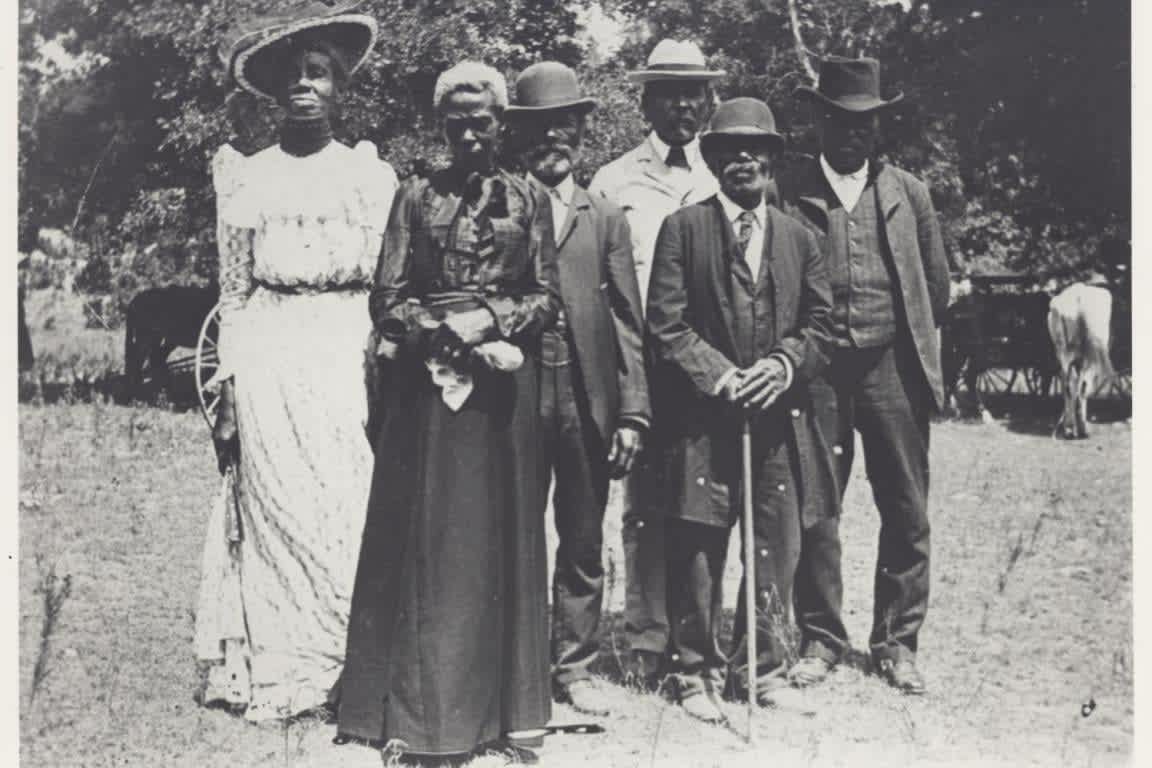
Juneteenth commemorates June 19, 1865, when Union troops arrived in Galveston, Texas and announced freedom to enslaved African Americans there, more than two years after the Emancipation Proclamation. The holiday became one of the oldest known commemorations connected to the abolition of slavery in the United States.
1863: Emancipation proclaimed
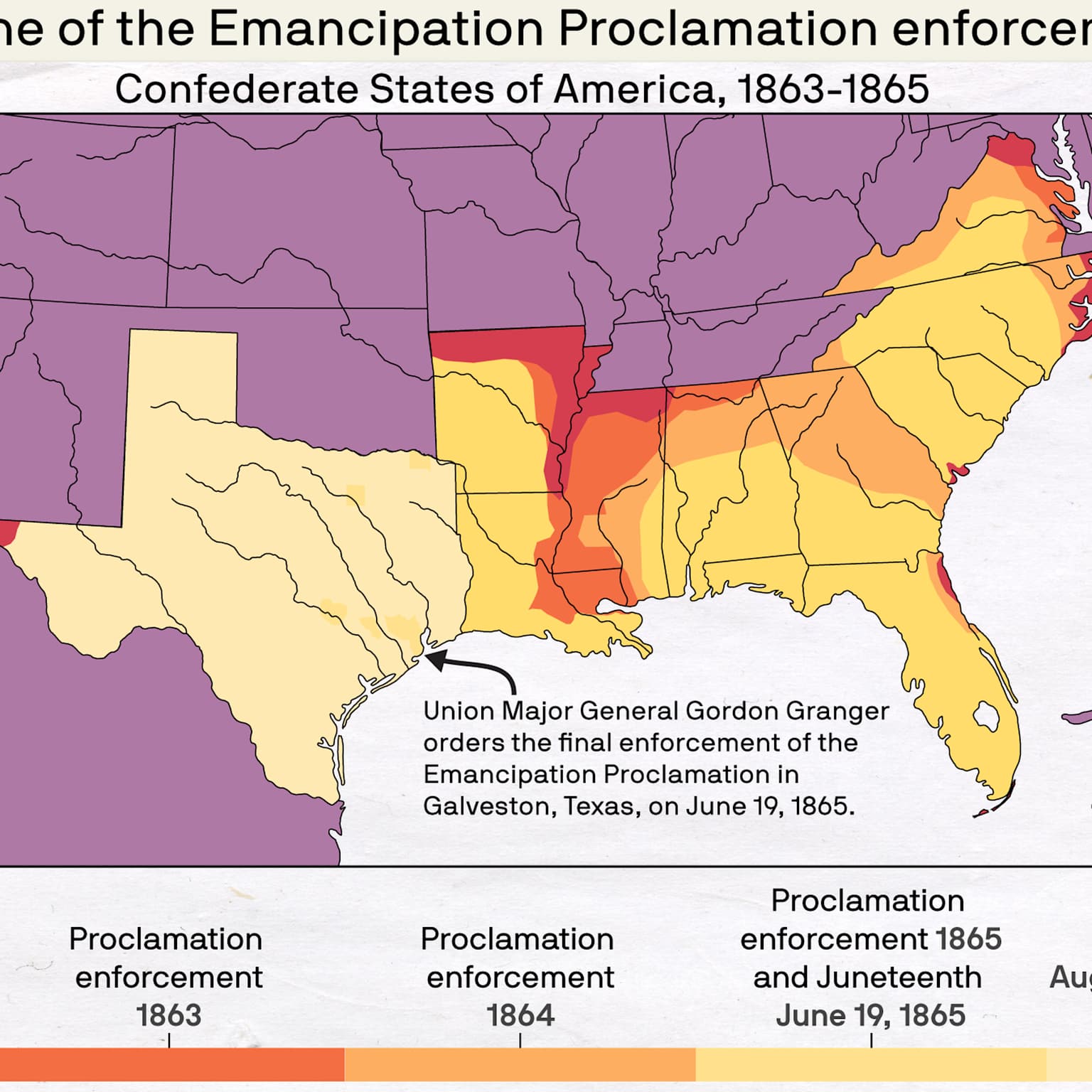
President Abraham Lincoln issued the Emancipation Proclamation on January 1, 1863, declaring enslaved people in Confederate states to be free. In practice, the proclamation depended on Union military success, which meant freedom spread unevenly and slowly across the South.
Why Texas was different
Texas was geographically remote from many major Civil War battle lines, and enforcement of emancipation there lagged behind the proclamation itself. By 1865, many enslavers had moved into Texas with enslaved people, believing the area would be safer from Union control.
1865: Freedom reaches Galveston
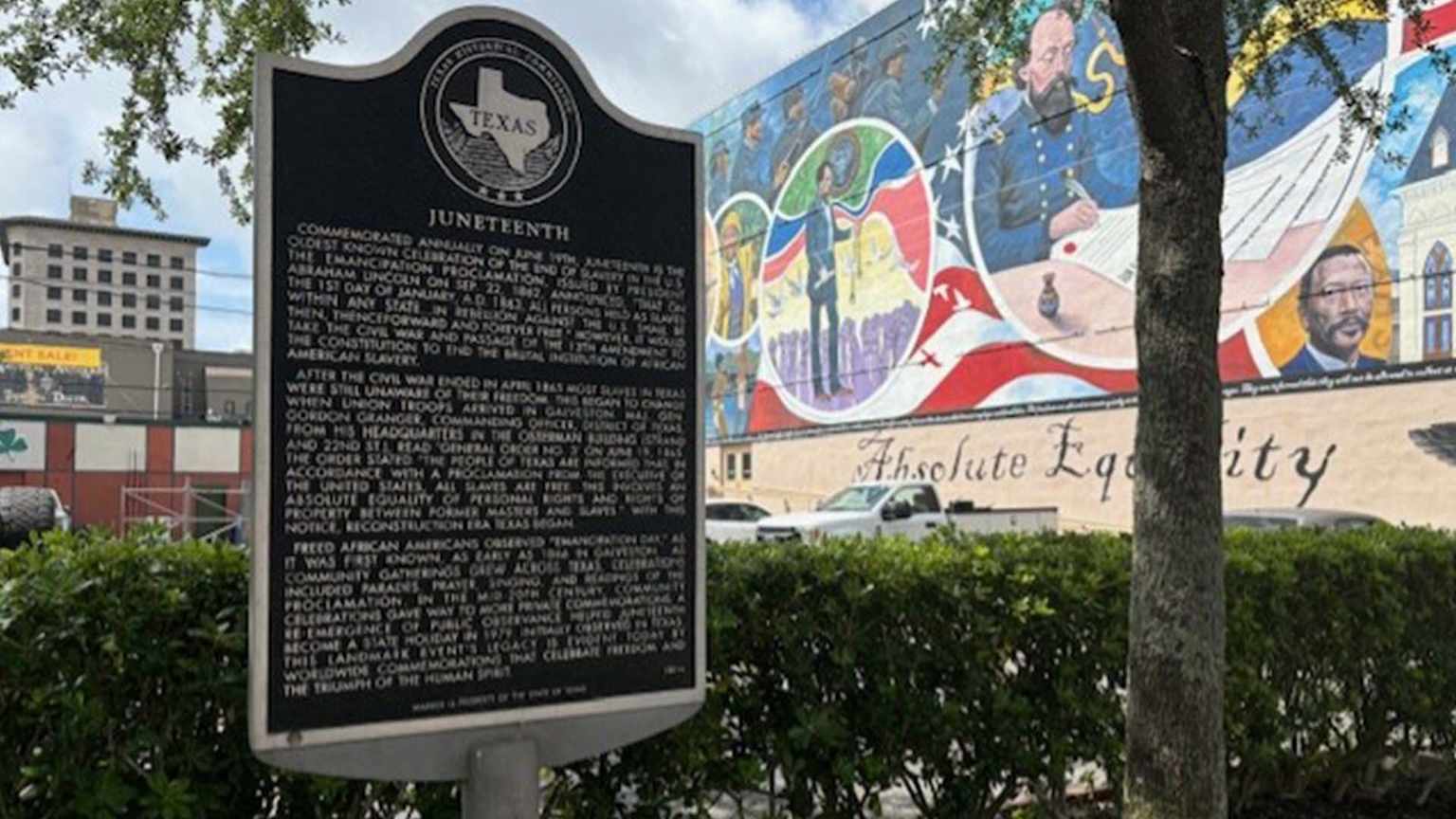
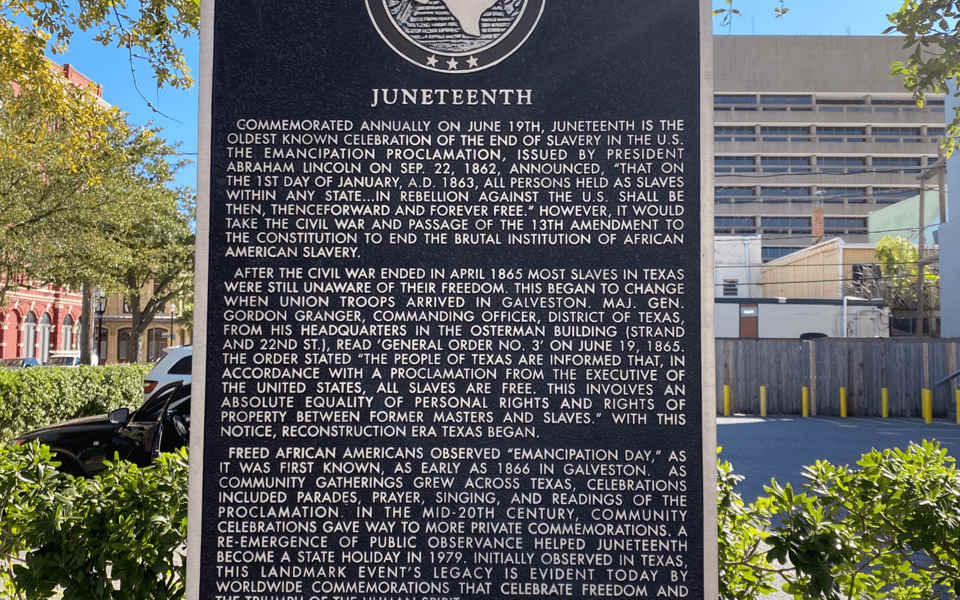
On June 19, 1865, General Gordon Granger and Union troops arrived in Galveston and issued General Order No. 3. The order announced freedom and declared an “absolute equality of personal rights,” even as formerly enslaved people still faced severe limits, violence, and economic hardship.